
Singapore Food Culture: A First-Timer's Guide
Discover Singapore food culture with our guide to local dishes, kopitiam tips, and budget-friendly eats perfect for food for newcomers.
The One Thing No One Tells You About Eating Here
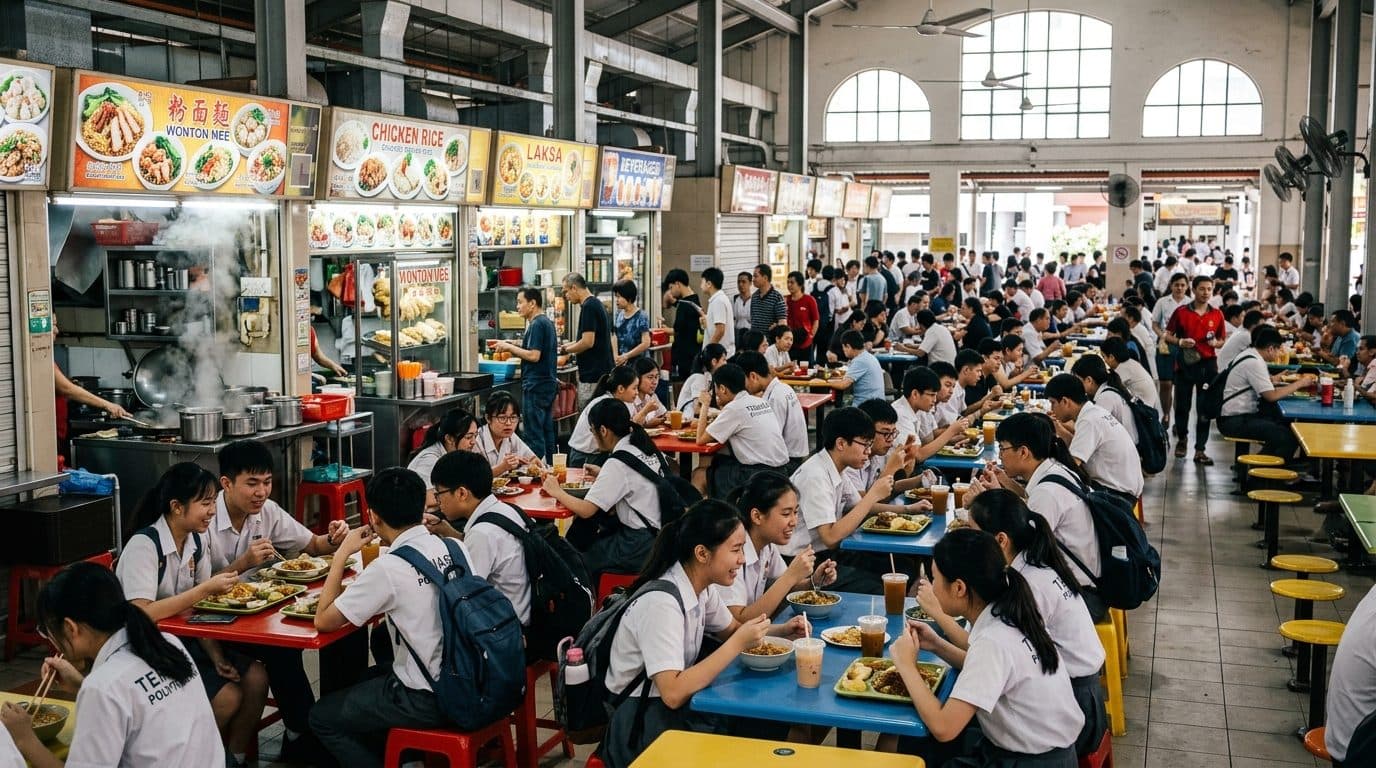
Most students arrive expecting a grand tour of Michelin-starred restaurants, only to find themselves standing in a plastic chair at 7 a.m., staring at a menu written entirely in a script they don't speak. That moment of hesitation at the counter is the real first lesson of Singapore food culture. It is not about the fancy plating; it is about the rhythm of the queue, the confidence to point at a plate, and the realization that the best meal of your life might cost less than five dollars. We see it happen every week at Sing Stay & Care, where our residents swap horror stories about ordering the wrong spice level for triumphs over their first perfect bowl of laksa.
Once you stop worrying about making a mistake, the city opens up. You will quickly learn that the street food scene is not just a tourist attraction but the daily heartbeat of the nation. It is where the history of Chinese, Malay, Indian, and Peranakan communities blends into a single, steaming plate. This guide is your map to that world, designed to help you eat like a local while keeping your student budget intact.
A Tapestry of Flavors: The Four Pillars
Singapore's culinary identity is a direct reflection of its people. You cannot understand the food without understanding the mix of influences that created it. The Chinese influence brings the wok hei (breath of the wok) and the soy-based sauces found in everything from char kway teow to Hainanese chicken rice. The Malay and Islamic heritage introduces the rich, aromatic world of coconut milk, lemongrass, and spices like turmeric and galangal, essential for dishes like nasi lemak and satay.
Then there is the Indian contribution, which adds depth with its curries, breads, and dry spices, evident in the ubiquitous roti prata and the fiery fish head curry. Finally, the Peranakan or Nyonya culture acts as the bridge, a fusion of Chinese cooking techniques with Malay spices, resulting in complex, sweet, and sour flavors that define dishes like sambal and ayam buah keluak. When you eat here, you are tasting centuries of migration and adaptation. You do not need to memorize the history, but knowing these roots helps you guess what a dish might taste like before you order.
Iconic Local Dishes Worth Trying
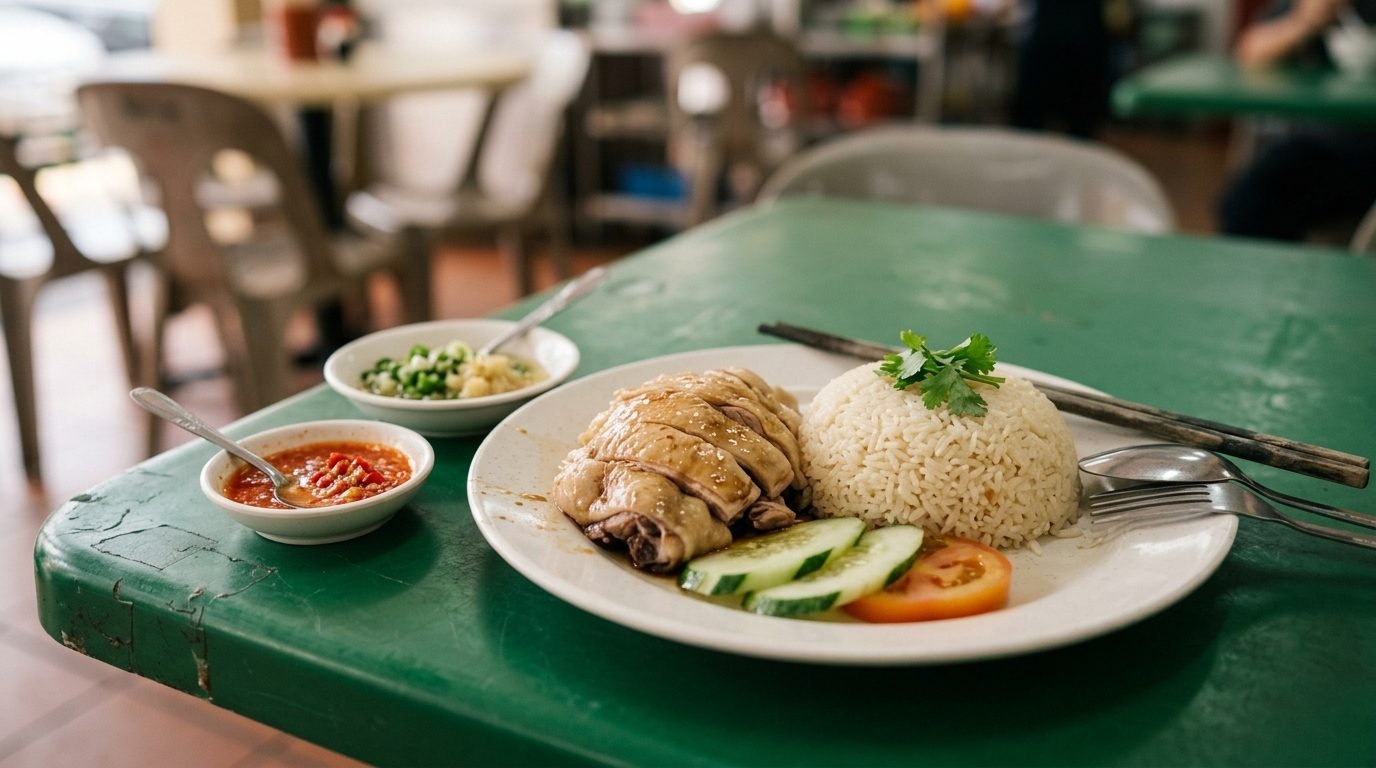
With thousands of hawker stalls, the choice can be overwhelming. Start with the classics that appear on almost every menu. Hainanese chicken rice is a must; it is simple yet demanding, featuring poached chicken served with fragrant rice cooked in chicken stock, accompanied by a spicy chili-ginger dip. It is the national dish for a reason.
Laksa is another cornerstone. This spicy noodle soup comes in two main varieties: the thick, coconut-based curry laksa and the sour, tamarind-based sour laksa. Both are hearty and filling, perfect for a rainy afternoon. For a vegetarian option or a lighter bite, try the satay. These grilled skewers of marinated meat or vegetables are served with a rich peanut sauce and are often found in the evening when the hawker centers get busy. Do not be afraid to try the 'wet' noodles or the deep-fried beancurd; the textures are where the magic happens. If you are feeling adventurous, the chili crab is legendary, though messy, and usually a splurge item for a special occasion.
Surviving the Kopitiam: Ordering Basics
The kopitiam, or coffee shop, is the social hub of Singapore life. It is where locals work, chat, and eat their breakfast. The menu here is often a wall of text, but the logic is simple once you decode it. The coffee is not just 'coffee'; it is 'kopi'. If you want milk, add 'susu'. If you want less sugar, say 'kurang'. So, a coffee with condensed milk and less sugar is 'Kopi Susu Kosong'. The same logic applies to tea, known as 'Teh'.
Here is a quick checklist to help you order with confidence on your first few visits:
- Always ask for the 'set' if you want a drink and a snack like kaya toast together.
- Use the word 'no sugar' or 'kosong' if you have dietary restrictions, as default drinks are very sweet.
- Point to what you want on the counter if the language barrier is too high; it is completely normal here.
- Bring your own bag or be ready to carry your tray to a table, as there is no table service.
- Check if the stall has a QR code for payment, as many now accept digital payments.
- Remember that 'Kaya' is a sweet coconut jam, and it is delicious on toast with butter.
- Don't worry about finishing your food; leaving a bit is fine, but wasting too much is frowned upon.
- Smile at the uncle or auntie serving you; a friendly face goes a long way in getting better service.
These shops are not just places to eat; they are community centers. You will hear a dozen different languages spoken within a single room. It is a sensory overload that becomes comforting very quickly. If you find yourself lost, just watch what the locals are ordering and do the same. They are rarely wrong.
Eating Adventurously on a Student Budget
One of the biggest myths about living in Singapore is that it is too expensive to eat well. This is simply not true if you know where to look. Hawker centers are government-subsidized food courts that offer incredible value. A full meal of rice, meat, and vegetables often costs between four to six dollars. This is where you should spend the majority of your food budget.
Many students make the mistake of eating in the mall food courts, where prices can be double. While convenient, they are not the authentic experience. The hawker centers are scattered all over the island, often near residential areas. At Sing Stay & Care, we often organize group trips to nearby centers so our students can explore together. You can also look for the 'Food Hygiene Rating' stickers on the stalls; a Grade A means the stall is clean and safe, which is crucial for newcomers with sensitive stomachs. Eating at these stalls allows you to try a new dish every day without breaking the bank. It is the best way to build a relationship with your neighborhood and discover hidden gems that you might otherwise miss.
For more tips on managing your daily life and budget here, you can find more student life guides on our website. We cover everything from transport passes to laundry tips, all designed to help you settle in smoothly.
Frequently Asked Questions
Is Singapore food generally spicy?
Many dishes are spicy, but you can almost always request them to be made 'less spicy' or 'no spicy'. Hawkers are used to international students and will happily adjust the heat level to suit your taste.
Are there vegetarian options available?
Yes, Singapore has a huge variety of vegetarian and vegan-friendly options. Many hawker stalls have dedicated vegetarian counters, and dishes like vegetable noodles, tempeh, and bean curd are widely available and delicious.
Do I need to tip at hawker centers?
No, tipping is not a custom in Singapore. The prices you see on the menu are the final prices. You simply pay the amount shown, and a small donation box might be present, but it is entirely voluntary.
Exploring Singapore's food scene is one of the most rewarding parts of your student journey. It is a way to connect with your neighbors, learn a bit of history, and fill your stomach for very little money. We hope this guide gives you the confidence to walk into any hawker center and order with a smile. If you are ready to start this adventure, you can browse our rooms to find a safe and comfortable place to call home. We are here to support you from the moment you land, offering leave us a message if you have any questions about our airport pickup and 24/7 caring support. Let's make your time in Singapore unforgettable, one meal at a time.
Latest articles



Comments
Questions or tips of your own? Join the conversation.
No comments yet — be the first to share your thoughts.