
Singapore Etiquette and Local Laws for Newcomers
Discover essential Singapore etiquette and local laws newcomers must know. From MRT rules to cultural norms, stay safe and respectful in Singapore.
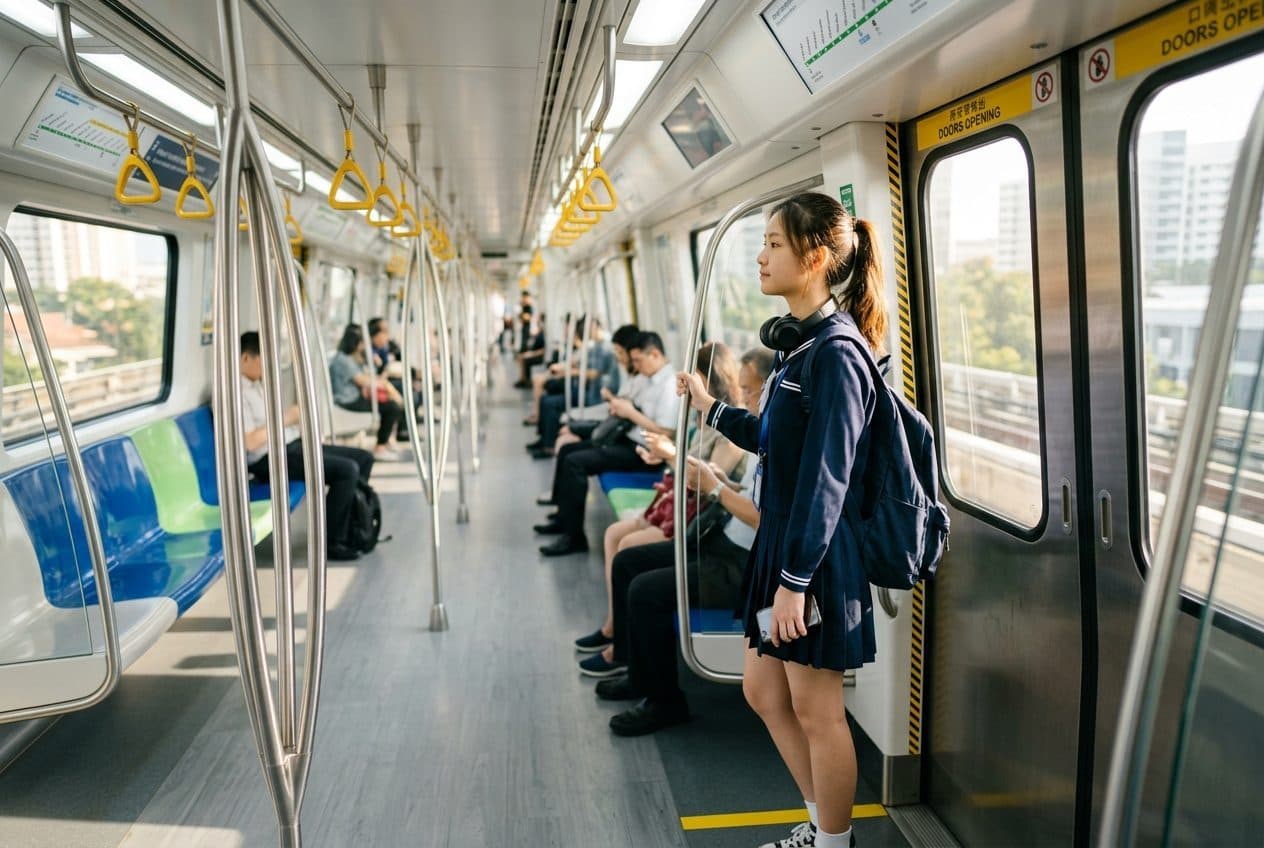
There is one small detail that almost no one warns international students about before they arrive: the sheer silence on the Mass Rapid Transit system. You might step off a loud, bustling bus from your home country and expect the train to be similar, only to find yourself the only person speaking above a whisper on a packed carriage. It is a moment that feels awkward until you realize it is a shared cultural norm of respect. This quiet discipline is just one layer of the intricate social fabric you will encounter.
Living in Singapore is an incredible adventure, but it comes with a unique set of unwritten rules and strict laws designed to keep the city-state running smoothly for its diverse population. As a team that has welcomed students since 2015, we have seen the confusion, the nervous glances, and the eventual comfort that comes with understanding these norms. Getting the basics right does not mean you have to lose your personality. It simply means showing respect for the community you are now part of. Here is what you really need to know about Singapore etiquette and local laws to avoid unnecessary fines and social faux pas.
The Unwritten Rules of Public Transport
The MRT and bus network is the lifeblood of Singapore, and millions of people use it daily. The efficiency is world-class, but the etiquette is equally strict. The most immediate rule is about noise. Loud phone conversations are generally frowned upon. If you must take a call, keep your voice low or step out of the carriage at the next station. It is not about shyness; it is about considering the tired commuters who just want a moment of peace after a long day.
Another critical rule involves food and drink. You cannot eat or drink on public transport. This is not just a suggestion; it is a law enforced by heavy fines. The logic is simple: Singapore is hot, and sticky spills or strong food smells in a sealed, air-conditioned carriage are unbearable for everyone else. If you are holding a bottle of water, finish it before boarding. We have seen students get startled by transport officers checking for this, and the fines are certainly not worth the risk of a few extra minutes of thirst.
Hawker Centre Culture and the Art of Choping
Once you step off the train, you will likely head to a hawker centre. These open-air food courts are the heart of Singaporean life, offering delicious meals at affordable prices. However, the seating arrangement here operates on a unique system known as "choping." If you see a packet of tissues on an empty chair, do not sit there. That packet is a marker that the seat is reserved for someone who is currently buying food.
This practice might seem strange to outsiders who prefer a first-come, first-served approach, but it is a deeply ingrained part of local culture. The person who placed the tissue will return shortly. If you sit there, you risk an awkward confrontation or the tissue being aggressively placed on your bag. If you are unsure, just ask the person who placed it if they are coming back soon. It is a small interaction that can build a bridge with locals and help you understand the rhythm of daily life here.
Strict Laws on Cleanliness and Smoking
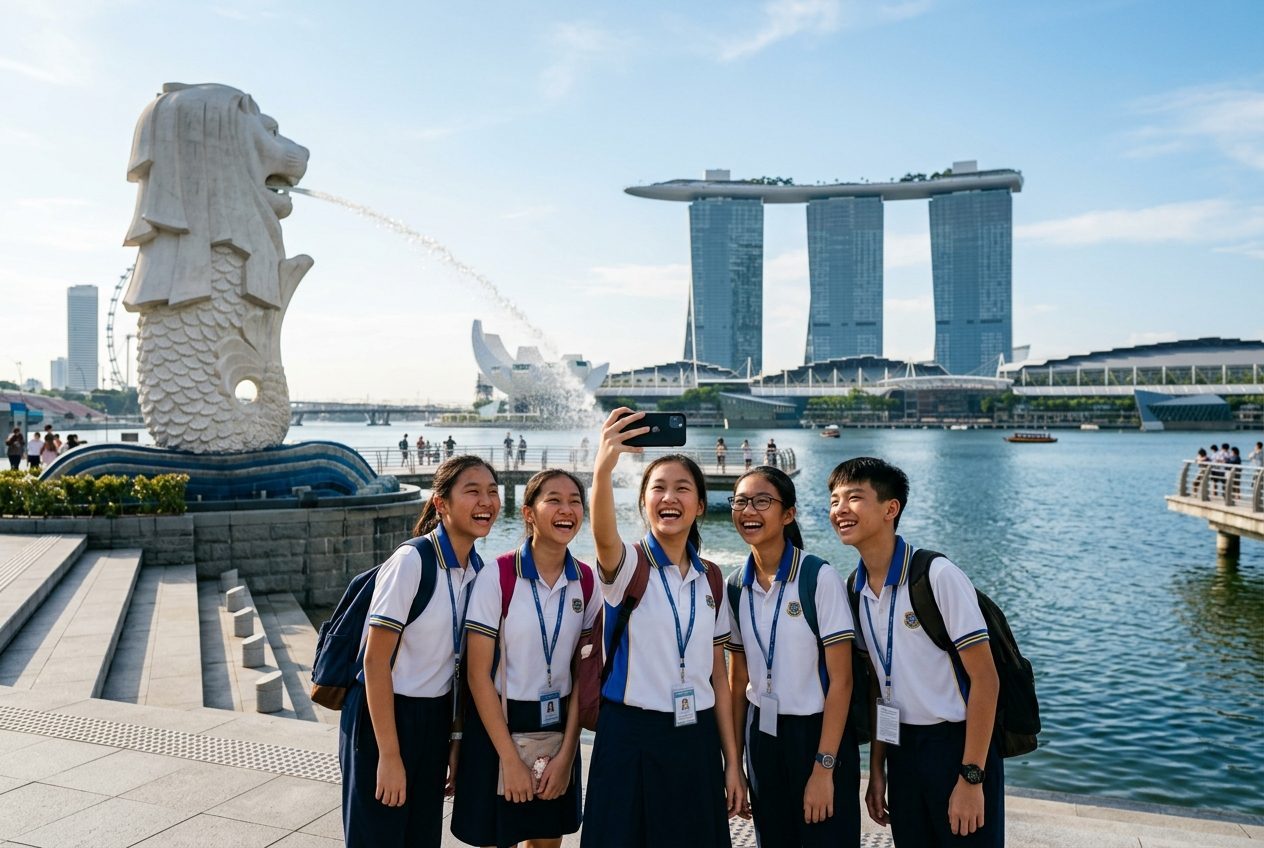
Singapore is famous for being clean, and the laws reflect this pride. Littering is taken very seriously. You will see signs everywhere warning against it, and the fines can be substantial. This includes throwing away a wrapper, spitting, or leaving trash in a bin that is already overflowing without waiting for the cleaners. The city is small, and keeping it pristine requires everyone to do their part. We often advise students to always carry a small plastic bag in their backpack for any trash until they find a proper bin.
Smoking regulations are equally strict. You cannot smoke on the streets, in public parks, or in most public spaces. Smoking is only permitted in designated areas, often marked by blue bins or specific signs. If you are a smoker, you must locate these zones carefully before lighting up. Violating these rules can lead to significant fines and a reputation that is hard to shake. It is not just about the law; it is about respecting non-smokers in a shared public space.
Respectful Behaviour in a Multicultural Society
Singapore is a melting pot of Malay, Chinese, Indian, and other cultures. This diversity is its greatest strength, but it also requires sensitivity. One of the most important aspects of Singapore etiquette is respecting religious and cultural differences. For example, during the Islamic fasting month of Ramadan, it is considered rude to eat, drink, or smoke in public during daylight hours in front of those who are fasting. While you are not required to fast, being discreet and mindful is a sign of great respect.
Personal space is also valued. Singaporeans are generally polite but may not be as physically expressive as people from some other cultures. A firm handshake is common, but avoid hugging or touching strangers unless you know them well. When addressing people, using titles like "Sir" or "Madam" for older individuals or service staff is always appreciated and shows maturity. These small gestures go a long way in building positive relationships with your neighbours and the wider community.
A Quick Checklist for Your First Week
To help you settle in smoothly, here is a practical checklist of things to remember during your first few days in Singapore:
- Keep your voice down on the MRT and avoid eating or drinking on public transport.
- Look for tissue packets on hawker centre seats to understand the "choping" system.
- Never litter, and always dispose of trash in designated bins.
- Smoke only in designated areas marked by signs or blue bins.
- Be mindful of religious customs, especially during Ramadan or major festivals.
- Use polite titles like "Sir" or "Madam" when speaking to elders or service staff.
- Carry your student ID card at all times as you may need it for transport or entry.
- Download a map app beforehand, as getting lost is easy in the dense city.
Frequently Asked Questions
Is it expensive to live in Singapore as a student?
Living costs can vary, but Singapore is generally considered one of the more expensive cities in Southeast Asia. However, students can manage their budget well by eating at hawker centres, using public transport, and choosing shared accommodation. Many students find that with careful planning, their monthly expenses are quite manageable.
What happens if I accidentally break a law?
If you accidentally break a minor law, such as littering or eating on the MRT, you may receive a fixed penalty notice or a fine. It is important to pay it promptly. For more serious offenses, the consequences can be more severe. The best approach is to educate yourself on the rules before you arrive to avoid any stress or legal issues.
How do I make friends with locals?
Building friendships takes time and effort. Joining university clubs, participating in community events, and showing respect for local customs are great ways to connect. Being open, polite, and interested in learning about Singaporean culture will help you make meaningful connections with locals and fellow international students.
Understanding these norms does not mean you have to change who you are. It simply means you are ready to thrive in a new environment. We know that arriving in a new country can feel overwhelming, but with the right knowledge, you can navigate it with confidence. If you are looking for a place to call home where you can learn these lessons in a supportive environment, we invite you to browse our rooms to find a space that fits your needs. Our fully furnished rooms are designed with international students in mind, offering safety and comfort.
Remember, you are never alone in this journey. We provide airport pickup to ensure your arrival is stress-free and offer 24/7 support to answer any questions you might have, big or small. If you are ready to start your Singapore adventure, please leave us a message to get in touch with our team today.
Explore more student life guides on our blog. Ready to find your home in Singapore? Browse our rooms or leave us a message — our team has welcomed international students since 2015 with airport pickup and 24/7 support.
Latest articles
Comments
Questions or tips of your own? Join the conversation.
No comments yet — be the first to share your thoughts.