
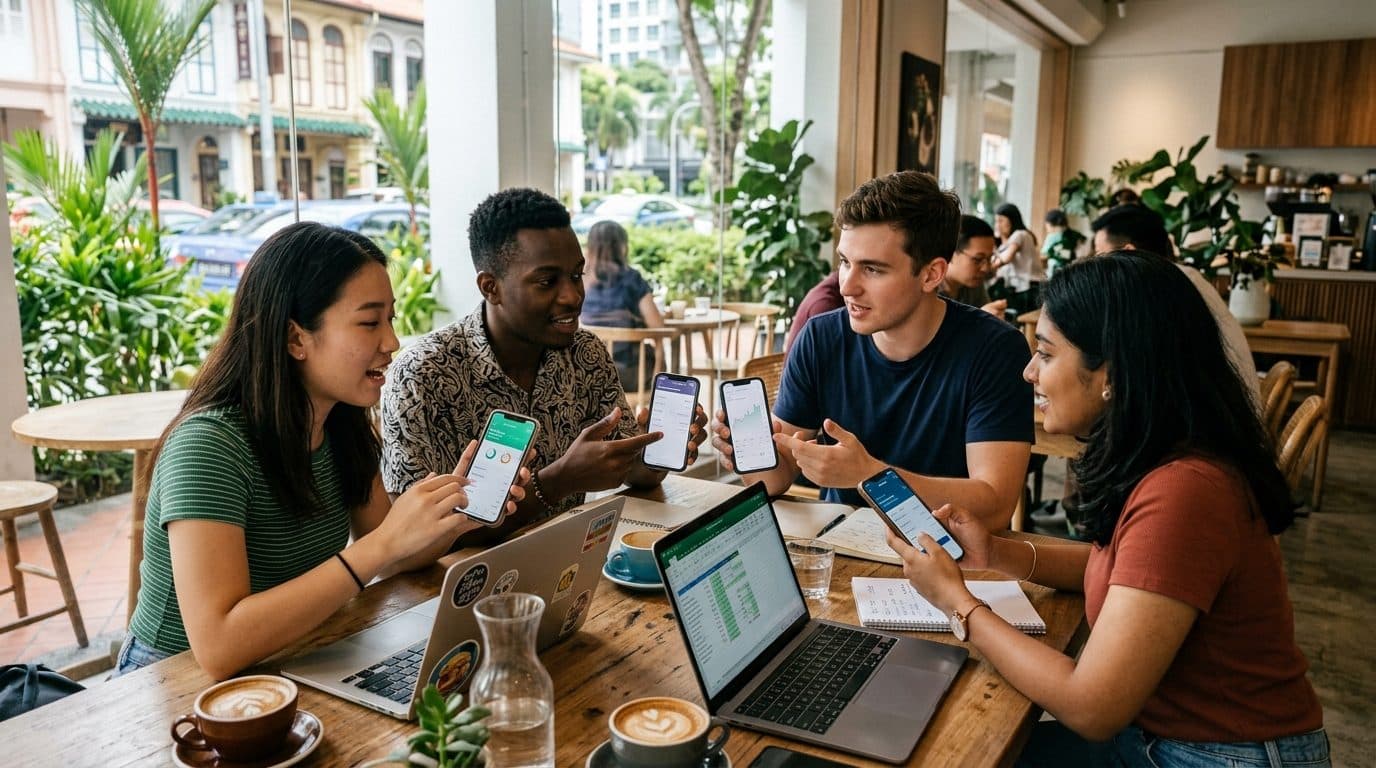
Opening a Student Bank Account in Singapore: A Simple Guide
Learn how to open a student bank account in Singapore. We cover documents, digital vs traditional banks, and money management tips for international students.
Many international students arrive in Singapore convinced that opening a local bank account will be a bureaucratic nightmare requiring weeks of waiting. The reality is far less stressful; most major banks have streamlined processes specifically for students on valid passes. While the paperwork feels formal, the actual steps are logical, and you can often have your account active within a single day if you bring the right documents.
Understanding Your Banking Options
The first decision you face is choosing between a traditional brick-and-mortar bank and a digital-only financial institution. Traditional banks in Singapore have long been the standard, offering physical branches where you can speak to a teller face-to-face. This can be comforting for your first week when you might need to deposit cash or resolve an issue in person. However, their operating hours can be restrictive, and some accounts carry monthly maintenance fees if you do not meet a minimum balance.
On the other hand, digital banks have surged in popularity among students. They operate entirely through smartphone apps, offering 24/7 access to your funds without the need to queue at a branch. These platforms often feature zero monthly fees and higher interest rates on savings. For a student focused on money management, the convenience of tracking every transaction instantly on your phone is a significant advantage. Both types are safe and regulated, so your choice often comes down to your personal preference for digital tools versus physical interaction.
Documents You Need to Bring
To avoid a frustrating trip back home, preparation is key. Banks in Singapore are strict about identity verification, but the list of required items is standard across most institutions. You will need to present your valid passport with your Student Pass sticker or a letter of approval from the Immigration and Checkpoints Authority. Without this proof of legal student status, you cannot open a local account.
Next, bring your official admission letter from your educational institution. This confirms your enrollment status and is often required to qualify for student-specific account packages that waive certain fees. Some banks may also ask for proof of address, such as your lease agreement or a letter from your university accommodation office. Since you are likely staying with us or another student housing provider, ensure you have a copy of your tenancy agreement ready. Finally, bring your NRIC if you have one, though most international students will rely on their passport.
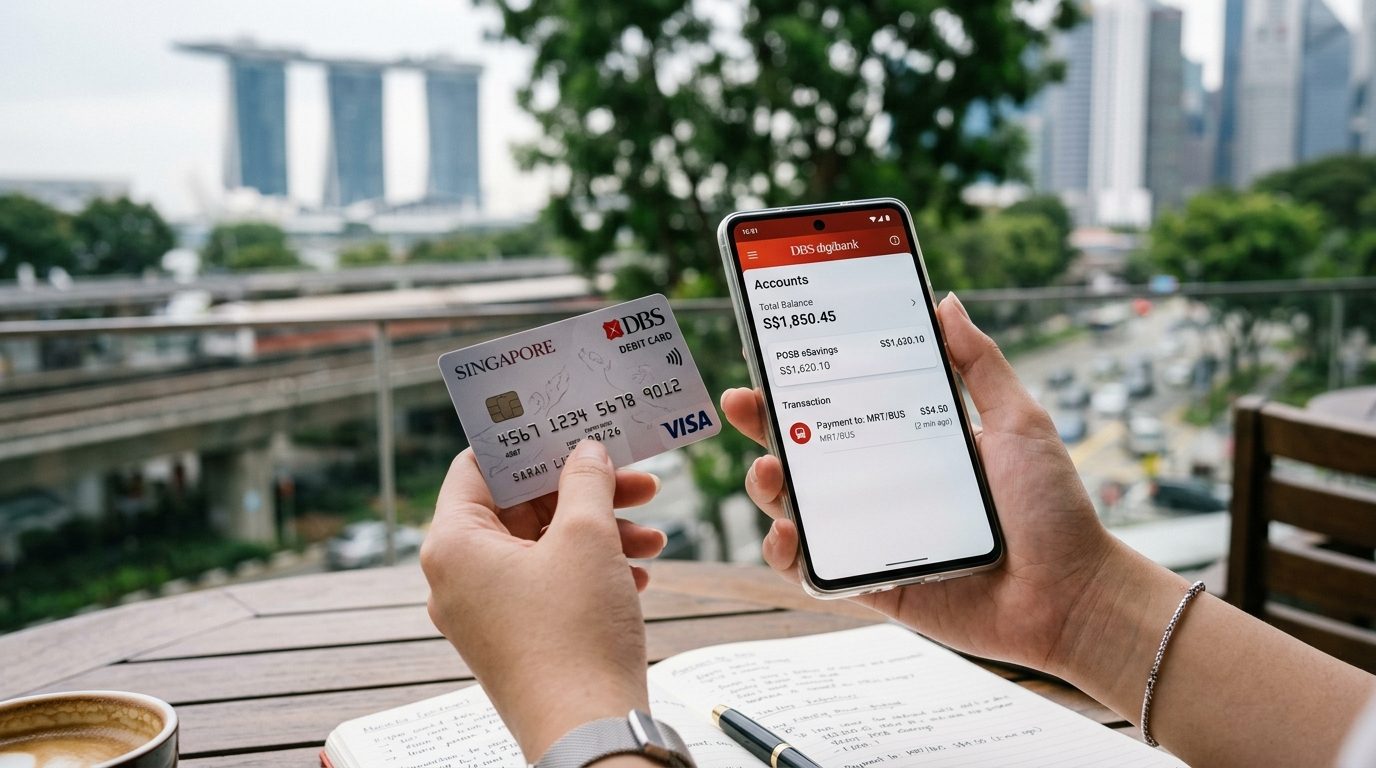
Essential Checklist for Your First Banking Visit
Before you leave your room to visit a bank branch or download an app, run through this quick checklist to ensure a smooth experience.
- Original passport with valid Student Pass sticker or approval letter.
- Official admission letter from your university or college.
- Proof of local address (lease agreement or housing letter).
- Initial deposit amount, usually in cash or via transfer.
- Your mobile phone with the bank's app downloaded beforehand.
- A secondary form of ID, such as your home country driver's license.
- Pen and notepad for recording account details and security codes.
Managing Money and Daily Payments
Once your account is open, you will quickly realize how integrated banking is into daily life here. Cash is still used, but it is far less common for daily transactions than you might expect. The local payment ecosystem revolves around mobile transfers, making it easy to split bills with roommates or pay for groceries without carrying a wallet. The most ubiquitous system is PayNow, which allows you to send money instantly using just a phone number or a unique identification code.
You should also get comfortable with your debit card for contactless payments. Most retailers, hawker centers, and transport systems accept tap-and-go payments. This is where good money management habits start. Since payments are so frictionless, it is easy to overspend if you do not check your balance regularly. We recommend setting up transaction alerts on your banking app so you receive a notification for every purchase. This small step helps you stay aware of your spending patterns and avoid unexpected overdrafts.
If you need to learn more about adapting to life here, we have written several guides on more student life guides covering everything from transport passes to cooking on a budget. Understanding your finances is just one part of settling in; the rest is about building a routine that works for you.
Keeping Fees Low and Savings High
One of the biggest worries for students is the hidden cost of banking. Many accounts come with monthly maintenance fees that can eat into your allowance if you are not careful. However, student accounts are designed to be affordable. Most banks offer packages with waived fees if you maintain a minimum average balance, which is often quite low for student accounts. Alternatively, you can simply choose a digital bank that does not charge monthly fees at all.
Be mindful of foreign transaction fees if you plan to use your card back home. If you need to pay tuition or send money to family, look for banks that offer low-cost international transfer services. Some institutions partner with global networks to reduce these costs significantly. It is always worth asking the bank officer about specific fee structures for students before you sign up. A few minutes of questioning can save you hundreds of dollars over your course of study.
Frequently Asked Questions
Can I open a bank account before arriving in Singapore?
Generally, no. Most banks require you to be physically present in Singapore to verify your identity and sign documents. Some digital banks allow you to start the application online, but you will still need to visit a branch or use a secure verification method upon your arrival.
How long does it take to get my debit card?
For traditional banks, your debit card is usually mailed to your local address within 7 to 10 working days. Some digital banks may offer a virtual card immediately upon account activation, allowing you to make online purchases right away while waiting for the physical card.
Do I need a local phone number for the bank account?
Yes, a local Singapore phone number is mandatory for account verification and receiving transaction alerts. You will need to activate your SIM card before applying for the account, as banks use this number to send One-Time Passwords for security.
Getting your finances sorted is a major milestone in your journey, but it is just the beginning of your adventure here. We know that moving to a new country can feel overwhelming, which is why we are dedicated to making your transition as smooth as possible. Whether you need a safe, fully furnished room or just a friendly voice to answer your questions, our team is here for you. We offer convenient airport pickup to ensure your first impression of Singapore is welcoming, and our 24/7 support team is always ready to help if you face any challenges. If you are ready to find your home, please browse our rooms to see our available options. If you have any specific questions about banking or accommodation, feel free to leave us a message anytime.
Latest articles



Comments
Questions or tips of your own? Join the conversation.
No comments yet — be the first to share your thoughts.