
Is Singapore Safe for International Students? Real Talk
Wondering about Singapore safety for students? We share real tips on living abroad, late-night commutes, and why this city is a safe haven.
Debunking the Myth of the Dangerous City
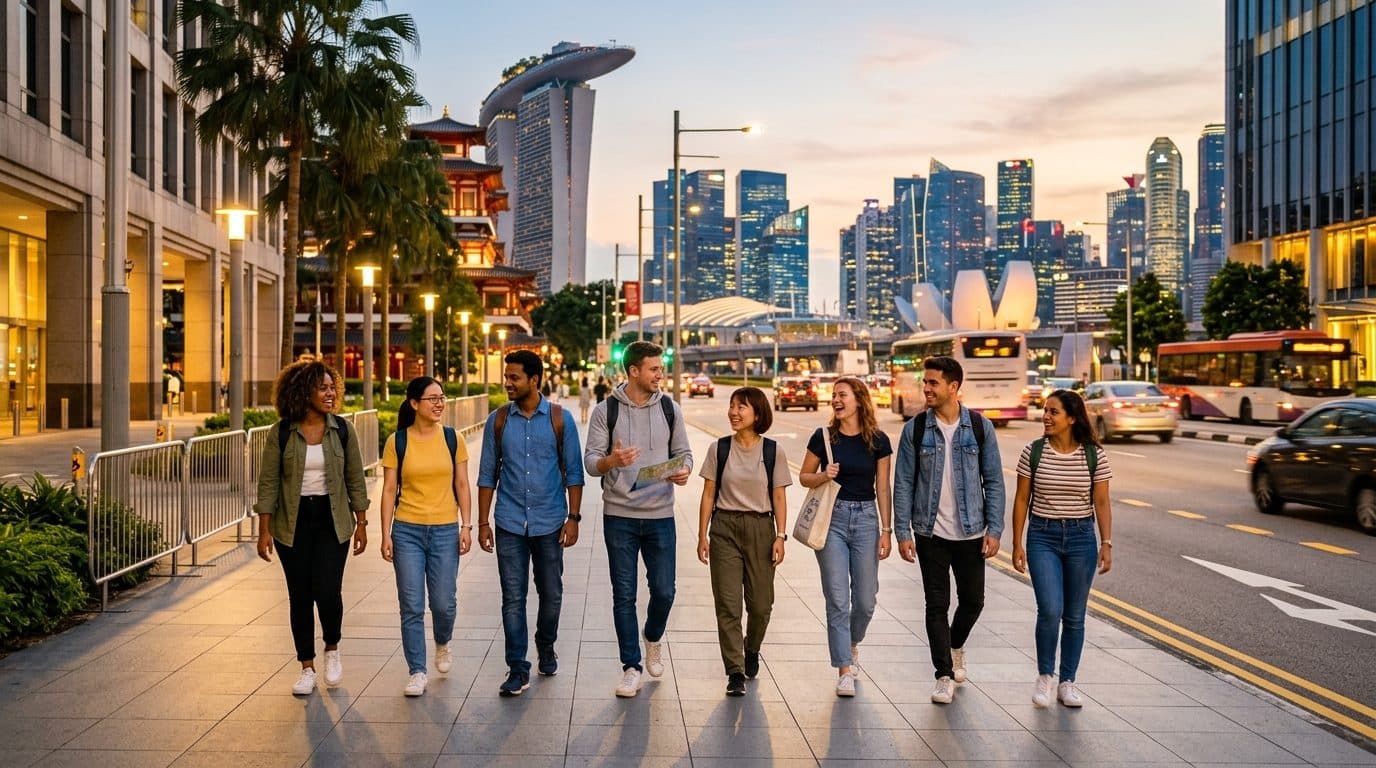
Many international students arrive in Singapore with a specific fear in their hearts: the worry that a bustling Asian metropolis must be inherently dangerous at night. This is a common misconception often fueled by sensationalized crime dramas or outdated travel warnings from a different era. The reality is vastly different. Singapore is widely regarded as one of the safest major cities in the world, where walking alone at midnight is a routine activity for millions. When you choose to live abroad here, you are stepping into an environment where safety is a fundamental pillar of daily life, not a luxury.
That said, safety is not just about the crime rate; it is about awareness. Even in the safest places, common sense matters. We have hosted thousands of students since 2015, and the number one thing they learn quickly is that the risks here are often minor inconveniences rather than threats to personal safety. Understanding this distinction helps you relax and enjoy your studies without unnecessary anxiety.
Why Singapore Ranks as a Safe City for Students
The reputation of Singapore as a safe city for students is built on visible, consistent efforts by the government and the community. Street lighting is bright and reliable, even in quieter neighborhoods far from the city center. Public transport hubs are well-monitored, and police presence is noticeable but rarely intrusive. For a student used to locking multiple doors or avoiding certain streets after dark, the freedom here can feel almost surreal.
This environment allows you to focus on your education rather than your security. You can grab a late-night study snack from a hawker center without looking over your shoulder. You can return to your dorm after a late lab session without hailing a cab immediately. This peace of mind is a significant advantage when you are adjusting to life in a new country. It gives you the space to explore, make friends, and immerse yourself in the culture without the constant background noise of fear.
Common Sense Rules and Laws Newcomers Should Know
While the streets are safe, Singapore is also a city of strict laws. Ignorance of these rules is not a valid defense, and some regulations can catch newcomers off guard. The most common issue we see is not about safety threats, but about fines for minor infractions that locals take for granted. For example, eating or drinking on public buses and trains is strictly prohibited. It might seem like a small thing, but the fines are real and can be a shock to your first month of living abroad.
Another area is the strict stance on smoking and littering. Smoking is only allowed in designated zones, which are clearly marked. Littering, including dropping gum wrappers, carries heavy penalties. These rules are enforced to maintain the cleanliness and order that contribute to the overall safety and comfort of the city. Respecting these norms is not just about avoiding a fine; it is about showing respect for the community you are joining. It also signals to locals that you are responsible and aware.
Safety Around Late-Night Study and Commuting
Academic life in Singapore often involves long hours at the library or group projects that run late. The good news is that the infrastructure is designed to support this lifestyle. The MRT (Mass Rapid Transit) operates until around midnight, and night buses run on key routes. However, if your study session runs past the last train, you have plenty of safe options.
Taxis and ride-hailing services are widely available and very safe. Drivers are licensed, vehicles are tracked, and you can share your trip details with friends or family instantly. Many students prefer to walk back to their accommodations if it is within a reasonable distance. Well-lit sidewalks and open spaces make this a viable choice. If you are staying at Sing Stay & Care, our locations are chosen for their accessibility and security, ensuring you have a safe haven to return to after a long day.
It is still wise to stay aware of your surroundings. Keep your phone charged, let someone know your route, and avoid dark alleys even if they seem like a shortcut. These are universal safety tips that apply anywhere, but they are especially easy to follow here because the environment itself is so welcoming.
Practical Safety Checklist for Your First Month
Preparing for your arrival involves more than just packing your bags. Here is a practical checklist to help you stay safe and comfortable during your first weeks in Singapore:
- Register your arrival with your embassy or consulate immediately upon landing.
- Save the emergency number 999 for police, 995 for ambulance, and 994 for fire in your phone.
- Learn the location of the nearest MRT station and the operating hours of night buses.
- Keep a copy of your passport and visa in a separate place from the originals.
- Download a reliable ride-hailing app and set up your payment method before you need it.
- Familiarize yourself with the local emergency contacts for your student accommodation.
- Avoid leaving valuables unattended in public spaces, even in crowded areas.
- Know the specific rules of your housing community regarding guests and quiet hours.
Following these steps will help you feel grounded and prepared. You can find even more tips on adjusting to life here on our more student life guides page, where we cover everything from banking to making friends.
Frequently Asked Questions
Is it safe to walk alone at night in Singapore?
Yes, it is generally very safe to walk alone at night in Singapore. The city is well-lit, and police patrols are common. However, always stay aware of your surroundings and stick to main roads, especially if you are in an unfamiliar area.
What should I do if I feel unsafe or witness a crime?
If you feel unsafe, move to a well-lit, populated area immediately. If you witness a crime or an emergency, call 999 for the police. You can also contact the support team at your student accommodation for immediate assistance and advice.
Are there specific areas in Singapore students should avoid?
Singapore is one of the safest cities globally, and there are no specific "no-go" zones for students. However, as with any major city, it is wise to avoid isolated areas late at night and to be cautious in crowded places to prevent pickpocketing.
Your Safe Home Away From Home
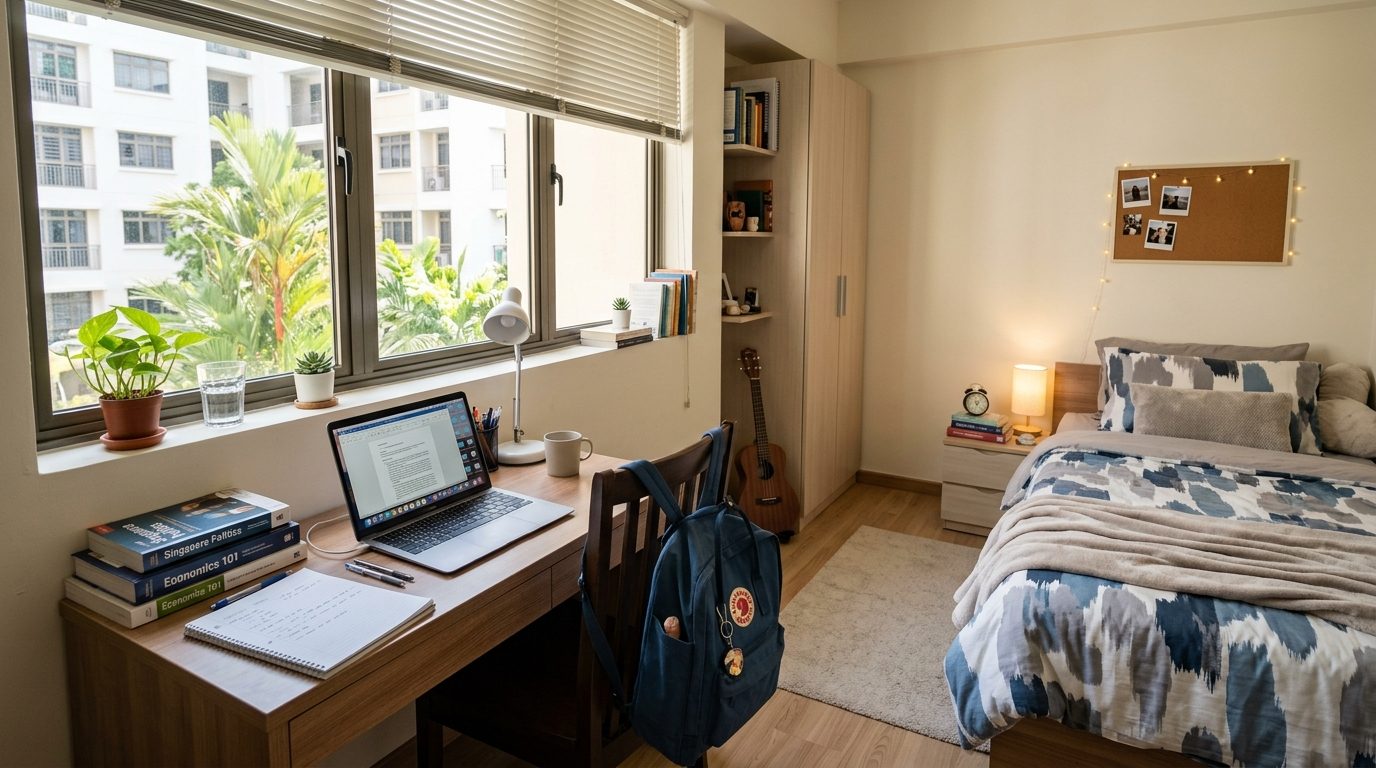
Choosing where to live is one of the most important decisions you will make when studying abroad. At Sing Stay & Care, we understand that safety is not just about the neighborhood; it is about the community you live in. Our fully furnished rooms are designed to be your sanctuary, offering a secure, comfortable space to rest after a long day of classes. We provide 24/7 caring support to ensure you are never alone when you need help.
From the moment you land, we are here for you. Our airport pickup service ensures you start your journey safely, and our on-site support team is always ready to assist with any concerns. If you are ready to find a place where you can truly relax and focus on your studies, we invite you to browse our rooms today. Have questions or need specific assistance? Please leave us a message, and let us help you settle into your new life in Singapore with confidence.
Latest articles



Comments
Questions or tips of your own? Join the conversation.
No comments yet — be the first to share your thoughts.