
Healthcare for International Students in Singapore
Navigate healthcare Singapore students need to know. From medical insurance students require to seeing a doctor abroad, get clear, practical tips here.
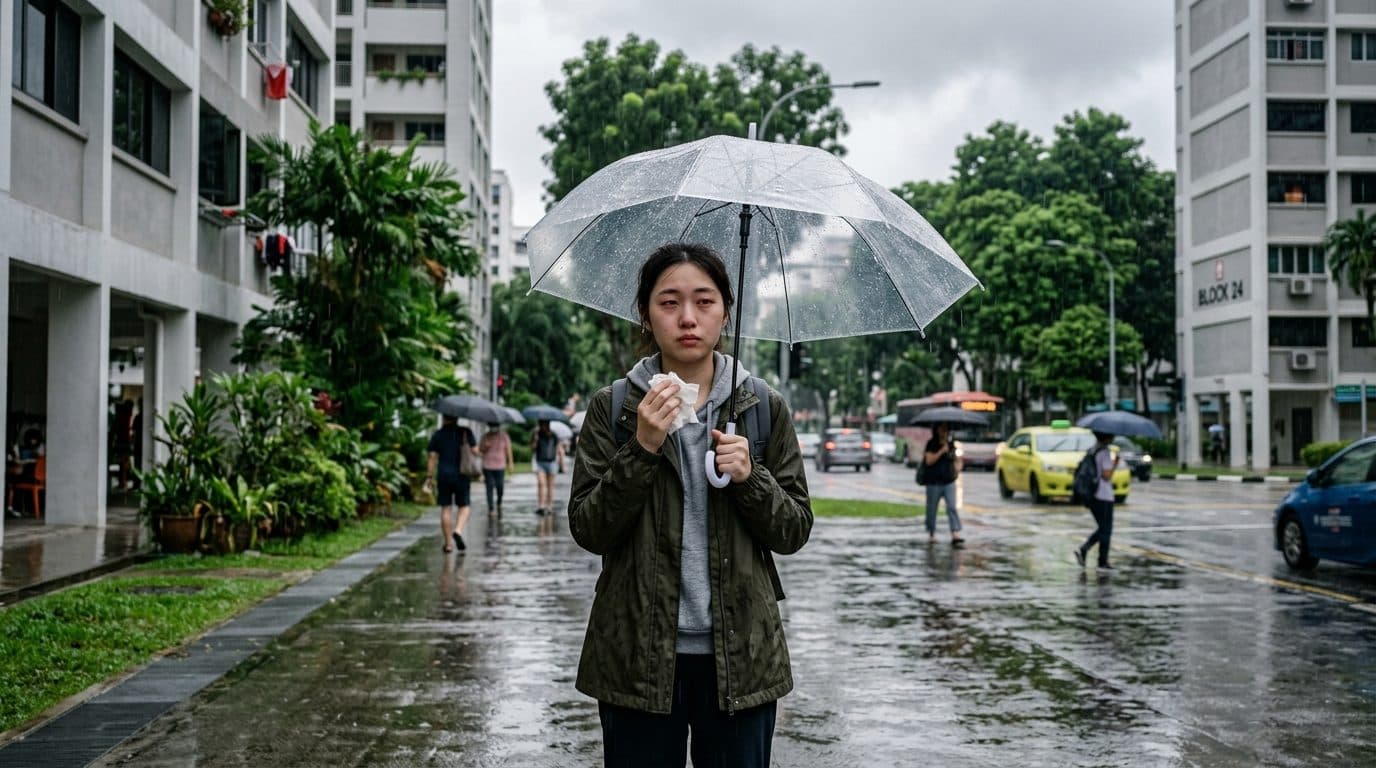
That First Rainy Walk Home
You step out of the bus stop on a humid Tuesday afternoon, the tropical rain suddenly soaking your shoes. It happens to almost everyone. You feel a chill, your throat tightens, and by the time you reach your room, you're coughing. Suddenly, the abstract idea of healthcare Singapore students need becomes very real. You aren't in your hometown anymore. There is no familiar family doctor down the street. The panic of seeing a doctor abroad can feel overwhelming, but the system here is actually designed to be accessible and efficient if you know the basics.
Understanding Your Medical Insurance
The very first thing you should check before you even pack your suitcase is your coverage. Most international student visas require proof of medical insurance students carry to be valid. Your school likely provides a basic plan, or you may have purchased one through a third party. Read the fine print. Does it cover pre-existing conditions? What about dental emergencies? Many students assume their plan covers everything, only to find out later that certain treatments require prior authorization. Keep a digital copy of your policy number and the 24/7 helpline number in your phone. You will need this before you walk into any clinic.
Don't let the paperwork intimidate you. The insurance landscape here is straightforward once you understand the hierarchy. Usually, your plan will cover a significant portion of costs at government facilities or accredited private clinics, but you might have to pay a small co-payment upfront. Always ask the receptionist if they accept your specific insurance provider before you see the doctor. It saves time and avoids surprise bills later.
GP Clinics Versus Polyclinics
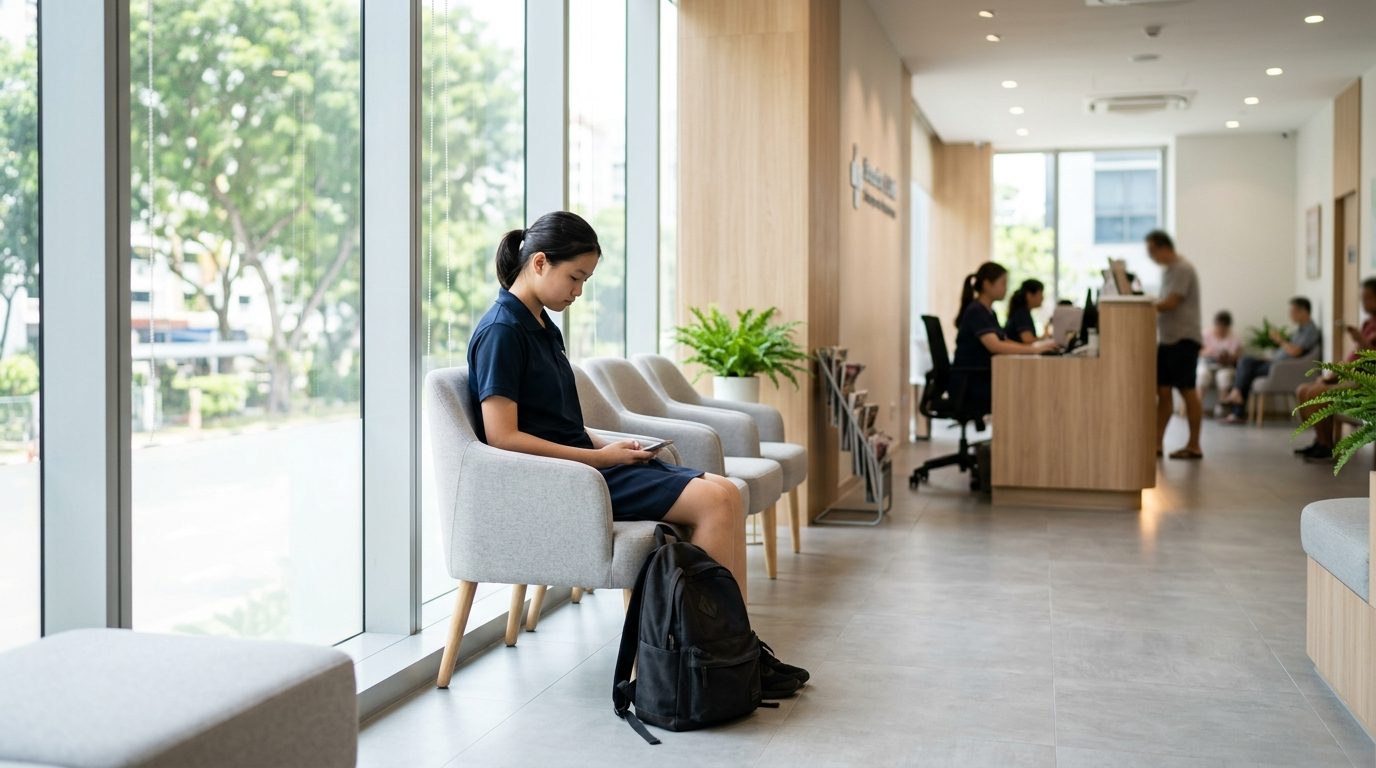
When you feel under the weather, you have two primary options: private General Practitioner (GP) clinics or government polyclinics. For most minor ailments like a cold, flu, or minor injury, a neighborhood GP clinic is often the fastest route. These are private practices scattered throughout the island, often open on weekends and evenings when students are free from class. The wait times are usually short, and the doctors speak excellent English. They can prescribe medication and refer you to specialists if needed.
Polyclinics, on the other hand, are government-run primary care centers. They are excellent for chronic conditions, vaccinations, and comprehensive check-ups. However, they are often busier, and appointments can be harder to secure without a referral from a GP. If you are not a Singapore citizen or PR, the fees at polyclinics can be higher, so check with your insurance first. For a quick fix during your first week of school, a nearby GP is usually the most practical choice.
Pharmacies and Over-the-Counter Relief
Singapore has an incredible network of pharmacies. You will see them on almost every street corner. Unlike some countries where you need a prescription for basic painkillers, many common remedies are available over the counter here. If you have a headache, a fever, or mild stomach upset, a pharmacist can often recommend an effective solution immediately. They are also knowledgeable and can guide you on what is safe to take with other medications.
Keep a small first-aid kit in your room with basics like band-aids, antiseptic wipes, and perhaps a thermometer. While you can buy anything at the pharmacy, having these on hand saves a trip when you just need a quick fix. Remember, while pharmacies are convenient, they cannot diagnose complex issues. If symptoms persist, do not rely on self-medication. Go see a professional.
When to Seek Specialized Care
Sometimes, a GP visit isn't enough. If you have severe chest pain, difficulty breathing, or a high fever that won't break, do not wait. Head to the Emergency Room (ER) at the nearest hospital. Singapore's hospitals are world-class, but ER visits can be costly and long if the issue is not life-threatening. For non-emergencies requiring a specialist, like a skin condition or a broken bone that needs an orthopedist, your GP or the polyclinic can provide a referral. This referral is often required by your insurance to cover the specialist visit.
It is also worth noting that mental health is part of healthcare. Many students find the transition to a new country stressful. If you feel overwhelmed, anxious, or lonely, seeking support is a sign of strength, not weakness. Most universities have counseling services, and there are also private therapists available. Don't suffer in silence. We have seen too many students struggle alone when help is just a phone call away. For more advice on adjusting to life here, check out our more student life guides.
Your Essential Healthcare Checklist
Being prepared makes all the difference when you are sick. Before you even feel a sniffle, make sure you have these items ready. This simple list will save you stress and time when you need it most.
- Your student ID card and NRIC (if you have one).
- Physical and digital copies of your medical insurance students policy.
- The emergency contact number for your insurance provider.
- A list of your current medications and allergies.
- A small amount of cash for co-payments or upfront fees.
- Know the address of the nearest GP clinic to your home or school.
- A translation app for medical terms, just in case.
Frequently Asked Questions
Do I need to register with a specific clinic in Singapore?
No, you do not need to register with a specific clinic. You can visit any licensed GP clinic or polyclinic. However, sticking to one clinic can help your doctor track your medical history better over time.
Can I claim my medical insurance for over-the-counter medicines?
Most basic insurance plans do not cover over-the-counter medications bought at pharmacies. They typically cover consultations, prescriptions written by a doctor, and hospitalization. Always check your policy details to be sure.
What should I do if I have a medical emergency at night?
If it is a life-threatening emergency, call 995 immediately for an ambulance or go to the nearest hospital Emergency Room. For non-life-threatening issues, many GP clinics have extended hours, or you can visit a 24-hour polyclinic.
Feeling safe and supported is the foundation of a successful study abroad experience. We know that being far from home can be daunting, which is why we built Sing Stay & Care to be more than just a place to sleep. Our fully furnished rooms are designed for your comfort, and our team is here to help you settle in. From the moment you land, we offer airport pickup to ensure your journey starts smoothly. If you ever need guidance on finding a doctor or just need a friendly chat, our 24/7 support team is always ready to assist. Ready to find your new home? browse our rooms to see what suits you, or leave us a message with any questions you have. We are here for you.
Latest articles



Comments
Questions or tips of your own? Join the conversation.
No comments yet — be the first to share your thoughts.