
Hawker Centre Guide: Cheap Food Singapore for Students
Discover our hawker centre guide for students. Learn about cheap food Singapore, ordering etiquette, and how to find tasty student meals on a budget.
Imagine a place where you can enjoy a delicious, hot meal for just a few dollars while surrounded by the vibrant energy of local life. For international students in Singapore, hawker centres are not just dining spots; they are the heart of the city's culinary culture and a lifeline for anyone watching their wallet. At Sing Stay & Care, we believe that mastering the art of the hawker centre is one of the first and most essential skills for your journey here.
What is a Hawker Centre and How It Works
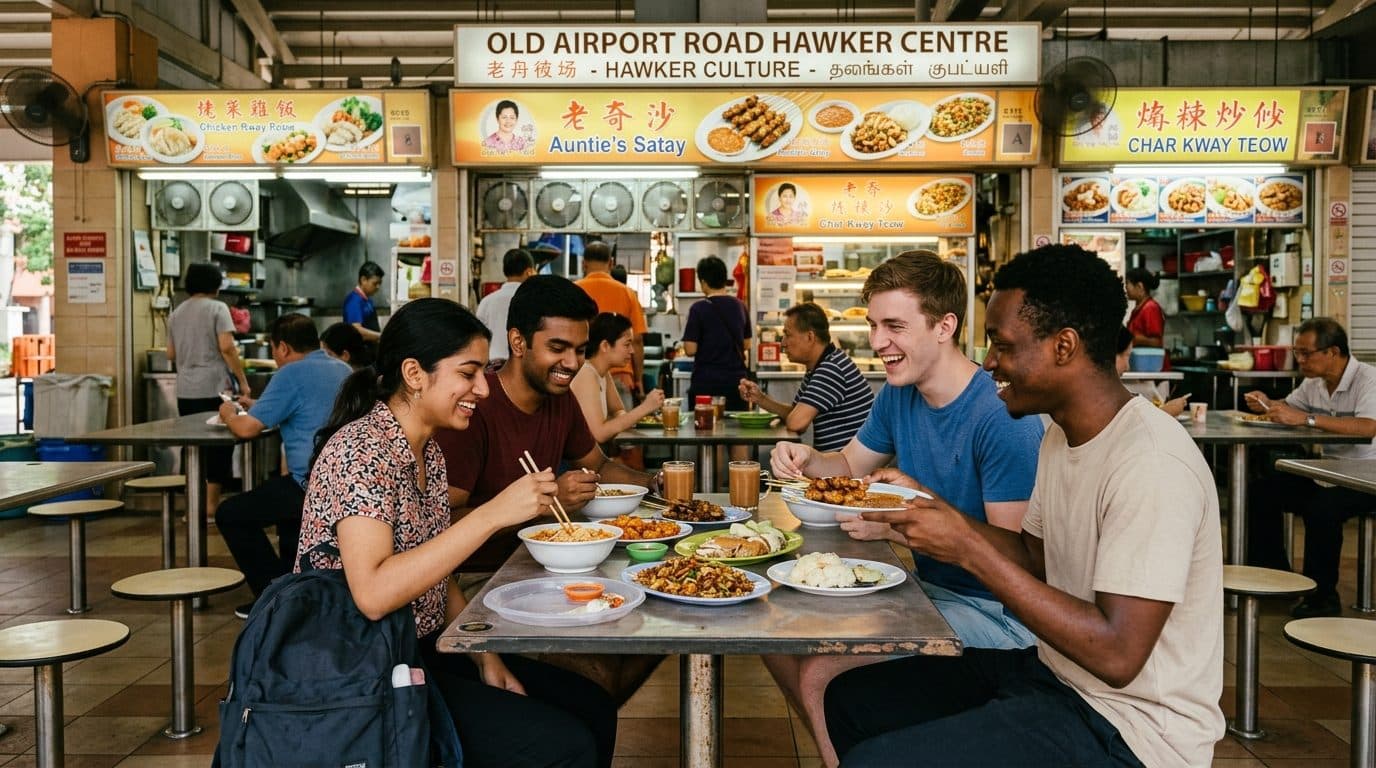
Hawker centres are open-air complexes filled with numerous food stalls, each specializing in a specific dish or cuisine. Unlike restaurants where you sit and wait for a server, hawker centres operate on a self-service basis that encourages efficiency and affordability. You walk up to a stall, point to the dish you want, and pay the cashier directly before finding a seat at one of the communal tables. This unique system allows hundreds of people to eat quickly and affordably, making it the perfect solution for busy students.
These centres are regulated by the government to ensure high hygiene standards, so you can eat with confidence. They are often located in the heart of residential neighborhoods or near major transport hubs, making them easily accessible from your student accommodation. When you step into a hawker centre, you are stepping into a bustling microcosm of Singaporean life, where the aroma of spices and the sound of chatter create an unforgettable atmosphere.
Ordering Etiquette and Cultural Tips
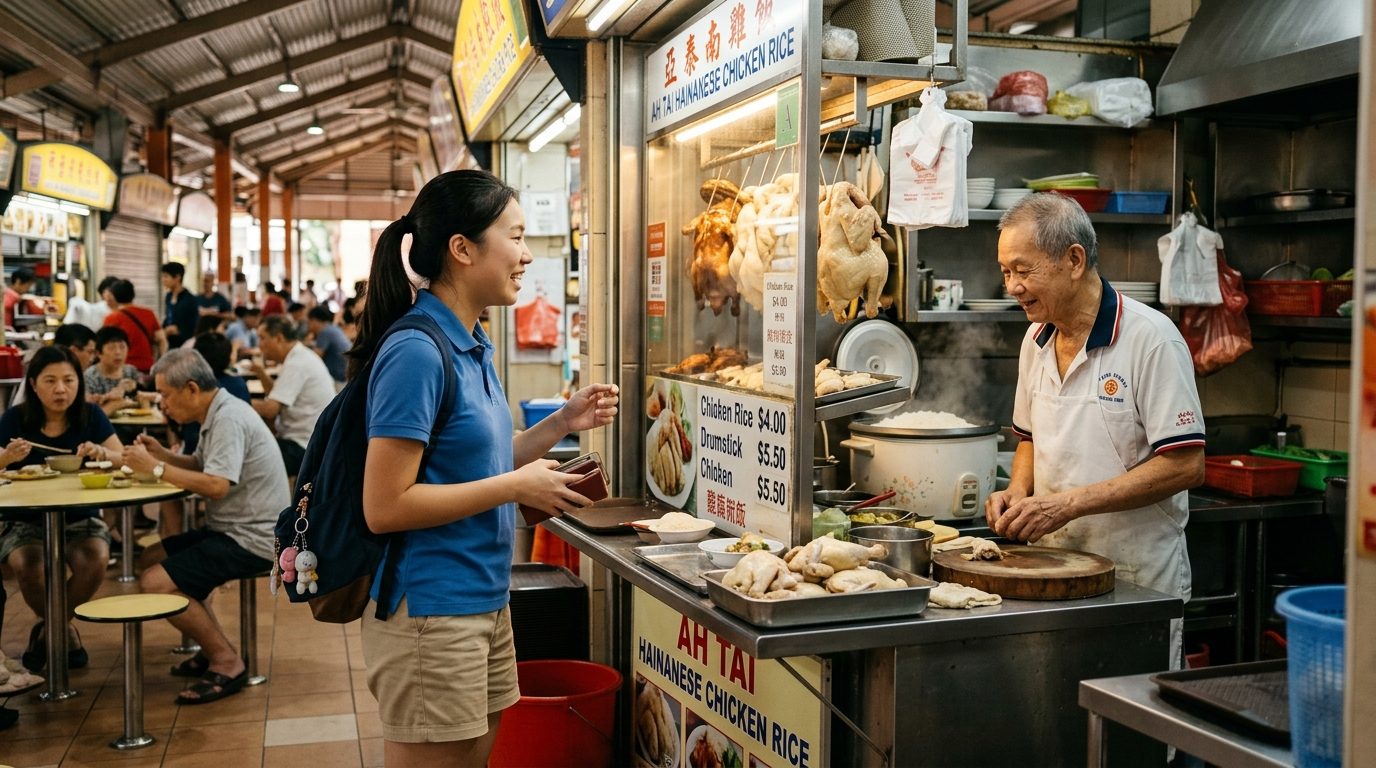
Navigating a hawker centre for the first time can feel overwhelming, but understanding a few simple rules will make you feel like a local in no time. The most important rule is to order and pay before you sit down. Never expect a waiter to bring a menu to your table; instead, approach the stall, look at the food display, and tell the vendor what you would like. If you are unsure, pointing at the food or asking, "What is this?" is perfectly acceptable.
Another crucial aspect is table etiquette. Tables are shared among strangers, which is a unique social experiment in itself. After finishing your meal, it is polite to clear your tray, plates, and cutlery to the designated collection area. Leaving a clean table shows respect for the next person and the stall owners who clean the space. Additionally, try to be mindful of the space around you, as these centres can get very crowded during peak lunch and dinner hours.
If you are unsure about spice levels, always ask. Singaporean food can be quite spicy, and vendors are usually happy to accommodate your preferences. You can request "less spicy" or "no chili" to suit your taste. Remember, these stalls are run by families who take pride in their food, and a friendly smile and a polite "thank you" go a long way in building a warm relationship with them.
Classic Dishes to Try for Student Meals
When exploring cheap food Singapore has to offer, the variety of options is endless. For students looking for filling and affordable student meals, there are several classics you simply cannot miss. Chicken Rice is the national dish, featuring tender poached or roasted chicken served with fragrant rice cooked in chicken broth and chili sauce. It is a balanced, comforting meal that is perfect for any time of the day.
Noodle lovers should try Char Kway Teow, which consists of flat rice stir-fried with shrimp, cockles, Chinese sausage, and bean sprouts in a smoky wok hei flavor. For a lighter option, Laksa offers a rich, coconut-based curry soup with noodles and prawns, delivering a burst of flavor in every spoonful. If you need something quick and energizing, Roti Prata, a crispy Indian flatbread, often served with curry, is an excellent choice. These dishes are not only delicious but also provide the nutrients and energy needed to power through your study sessions.
Staying Within Your Food Budget
One of the biggest advantages of hawker centres is the affordability of the meals. You can expect to pay a low to mid-range price for a hearty meal, making it an ideal choice for students managing a tight budget. While prices vary slightly between stalls and locations, most main dishes fall within a reasonable range that won't break the bank. By eating at hawker centres, you can significantly reduce your monthly food expenses compared to dining in sit-down restaurants or ordering delivery.
To maximize your savings, consider bringing your own water bottle, as bottled drinks can add up over time. Many hawker centres have water refill stations nearby, or you can simply drink tap water, which is safe in Singapore. Additionally, eating during off-peak hours might help you avoid the rush and sometimes find slightly better deals or special promotions. Planning your meals around these affordable options allows you to save money for other important aspects of your student life, such as travel, books, or social activities.
Finding Hawkers Near Campus and Home
Convenience is key for a busy student, and the good news is that hawker centres are scattered throughout Singapore. Whether you are living in a university town or a residential area, there is likely a hawker centre within walking distance or a short bus ride away. Many students find that the best centres are located near their campus, offering a quick escape during study breaks. At Sing Stay & Care, we often guide our residents to the nearest options to ensure they have easy access to quality food.
You can use mapping apps to search for "hawker centre near me" to find the closest location. These apps often include user reviews and photos, helping you decide which stalls to try before you go. Some centres are famous for specific dishes, so it is worth doing a little research or asking fellow students for recommendations. Exploring different centres is also a great way to discover new neighborhoods and experience the diverse culture of Singapore. For more tips on navigating life here, check out our more student life guides to help you settle in smoothly.
- Always order and pay at the stall before sitting down.
- Clear your tray and plates to the collection bin after eating.
- Ask vendors about spice levels if you are unsure.
- Bring your own water bottle to save money and reduce waste.
- Visit during off-peak hours to avoid crowds and potential price surges.
- Try different stalls to discover your favorite dishes.
- Be polite and say thank you to the stall owners.
- Use mapping apps to find centres near your campus or home.
Frequently Asked Questions
Are hawker centres safe for international students?
Yes, hawker centres are very safe and are regularly inspected by the government to maintain high hygiene and safety standards. They are a common dining choice for locals and tourists alike.
Can I use credit cards at hawker centres?
Most traditional stalls only accept cash, so it is best to carry small bills. However, some larger centres may have digital payment options or ATMs nearby.
What time do hawker centres open and close?
Most centres are open for breakfast, lunch, and dinner, typically operating from early morning until late evening. Some stalls may close earlier or later depending on the day of the week.
Embracing the hawker culture is one of the best ways to feel at home in Singapore while keeping your expenses low. Whether you are craving a spicy noodle soup or a comforting plate of chicken rice, these centres offer a warm, welcoming experience for everyone. As you start your adventure, remember that we are here to support you every step of the way. We invite you to browse our rooms to find a safe, fully furnished space that feels like home. If you have any questions about accommodation, airport pickup, or our 24/7 caring support, please leave us a message today. We are excited to welcome you to your new life in Singapore!
Latest articles



Comments
Questions or tips of your own? Join the conversation.
No comments yet — be the first to share your thoughts.