
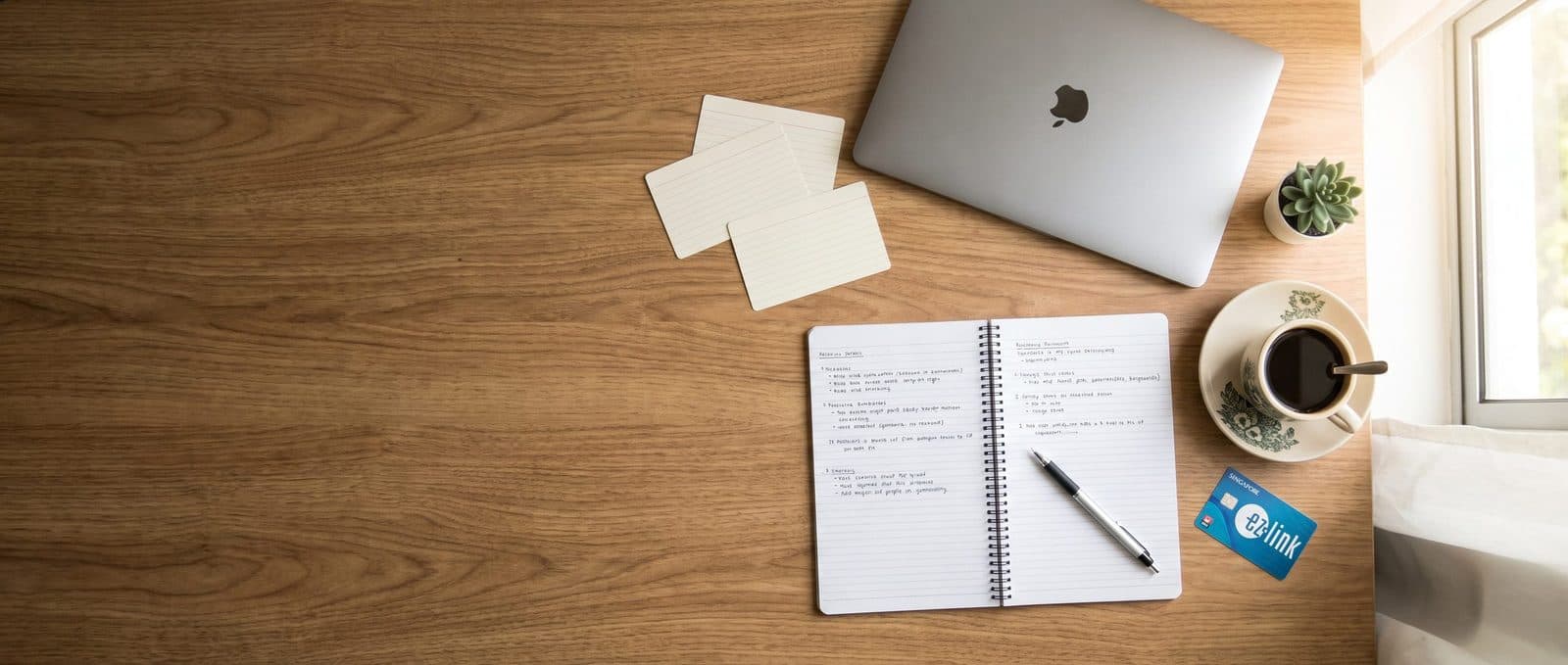
Book Preservation Tips for Humid Singapore
Protect your study materials from Singapore's humidity. Learn practical humidity control and storage tips to keep textbooks dry and readable all semester.
It happens to almost everyone. You finish a long study session, close your notebook, and go to sleep. Two days later, you open it again, and the pages have curled at the corners like old cigars. The spine feels damp. In Singapore, this is not just a minor annoyance; it is a real threat to your academic resources. We see it every year when new students arrive, carrying high-quality hardcovers that struggle against the constant moisture in the air. But you do not need expensive climate-controlled storage to fix this. With a few small habits, you can keep your books in perfect condition.
Understanding the Humidity Threat
Singapore’s weather is naturally humid, often hovering around 80 to 90 percent relative humidity. For paper, this is a hostile environment. High humidity causes paper fibers to absorb moisture, leading to warping, softening, and eventually, mold. Mold is the biggest enemy of book preservation. Once it starts, it spreads quickly, eating through pages and leaving black or green spots that are nearly impossible to remove. You might think that keeping books in a drawer is enough, but if that drawer is in a room without proper ventilation, it can actually trap moisture against the paper. The air in your room matters as much as the storage container.
Many students make the mistake of assuming that rain is the only source of moisture. In reality, indoor humidity comes from many places: hot showers, cooking, and even just breathing. If your room does not have good airflow, the moisture has nowhere to go. It settles on surfaces, including your books. Understanding this helps you realize that humidity control is an active process, not just a passive one. You need to be intentional about how you manage the air in your living space.
Simple Storage Strategies That Work
The best way to protect your study materials is to prevent moisture from reaching them in the first place. Here is a practical checklist you can use right now to set up your study area:
- Keep books off the floor. Place them on shelves or in cabinets at least six inches above the ground to avoid rising damp.
- Use silica gel packets in your bookshelf. These small desiccant packs absorb excess moisture from the air around your books.
- Ensure your room has good ventilation. Open windows when the weather allows, or use a fan to circulate air.
- Avoid storing books in tight spaces. Leave a small gap between books and the back of the shelf to allow air to flow.
- Keep a dehumidifier in your room if possible. Even a small one can make a significant difference in high-humidity areas.
- Use acid-free paper or book covers for your most valuable textbooks. These materials help buffer against moisture and acidity.
- Do not stack books horizontally for long periods. Vertical storage keeps the spine flexible and prevents permanent warping.
These steps are inexpensive and easy to implement. You do not need to overhaul your entire room. Just a few adjustments can create a microclimate that is much drier than the rest of the house. We recommend checking your books every week, especially during the monsoon season, to catch any early signs of dampness. If you see a page curling, straighten it immediately by placing a heavy, flat object on top of it for a day or two.

Cleaning and Maintenance Techniques
Even with good storage, accidents happen. You might spill coffee on a page, or a raindrop might sneak in through a window. When this happens, do not panic. The key is to act quickly and gently. If a page gets wet, blot it with a clean, dry cloth. Do not rub, as this can tear the paper or spread the liquid. Instead, press lightly to absorb the moisture. Then, place the book in a well-ventilated area to dry naturally. Avoid using heat sources like hair dryers or radiators, as these can cause the paper to warp or yellow.
For mold, the approach is different. If you see small spots of mold, isolate the book immediately to prevent it from spreading to others. Take it outside and gently brush off the mold with a soft, dry brush. You can also use a slightly damp cloth with a small amount of white vinegar to wipe down the affected area, but test this on a small, inconspicuous spot first. After cleaning, allow the book to dry completely before putting it back in storage. This is a crucial part of book preservation. If you put a book away while it is still slightly damp, you are setting the stage for more mold later. Patience is key here. Rushing the process often leads to worse outcomes.
Common Mistakes to Avoid
One common mistake is using plastic bags to store books. While plastic seems like a good idea for keeping dust out, it also traps moisture. If the book is even slightly damp when you put it in a plastic bag, that moisture has nowhere to escape, creating a perfect environment for mold. Instead, use cloth bags or simply store books in open shelves or cardboard boxes with ventilation holes. Another mistake is ignoring the condition of your room. If your room has a history of leaks or poor ventilation, no amount of silica gel will save your books. Address the root cause first. Finally, do not rely solely on commercial products. While they can help, they are not a substitute for good habits and regular maintenance.
We have seen students spend hundreds of dollars on preservation kits, only to neglect the basics of airflow and cleaning. It is like buying a fancy umbrella and then walking in the rain with it closed. The tools are only as effective as the habits that support them. Focus on consistency. A little bit of care every week is better than a big cleanup every semester.
Frequently Asked Questions
Can I use a fan to dry a wet book?
Yes, but with caution. Use a fan on a low setting and keep it at a distance of at least two feet from the book. Direct, strong airflow can cause pages to flutter and tear, or create uneven drying that leads to warping. Let the air move gently across the book rather than blasting it directly.
How often should I replace silica gel packets?
It depends on the humidity level in your room, but generally, every two to three months is a good rule of thumb. You can recharge some packets by baking them in the oven at a low temperature for a few hours. If you are unsure, replace them to be safe. They are inexpensive and easy to find in local supermarkets.
What if my book already has mold?
Isolate it immediately to prevent spread. Clean it gently with a dry brush and a vinegar-dampened cloth if necessary. Allow it to dry completely in a well-ventilated area. If the mold is extensive, consider consulting a professional conservator, especially for very valuable or sentimental books.
Keeping your books in good shape is not just about aesthetics; it is about having reliable resources when you need them most. We understand how stressful student life can be, and the last thing you need is a damaged textbook adding to your worries. By taking these simple steps, you can protect your investment and enjoy your studies with peace of mind. If you are looking for a place to stay that supports your academic journey, we would love to help. You can browse our rooms to find a space that fits your lifestyle. And if you have any questions or need advice on settling in, please leave us a message. We are here for you, with airport pickup and 24/7 support, so you can focus on what matters most: your education. Check out our more student life guides for additional tips on making the most of your time in Singapore.
Latest articles
Comments
Questions or tips of your own? Join the conversation.
No comments yet — be the first to share your thoughts.