
10 Cultural Etiquette Mistakes Students Make in Singapore
Avoid common social faux pas with this practical guide to cultural etiquette and do's and don'ts. Learn the subtle social norms every international student needs to know.
It is the small things that trip you up first. You step off the MRT platform, holding your iced latte, and take a sip. A nearby uncle gives you a look. You don't know why. You didn't break a law, exactly, but the air feels different. This is the reality of living in Singapore. It is a place where rules are written, but social etiquette is often unwritten. Ignoring these nuances can make your first week feel awkward, even if you are polite and well-intentioned. We have seen many students stumble over these same rocks, so we compiled this list to help you land softly.
The Chewing Gum Ban: More Than Just a Fine
Yes, chewing gum is banned in public places, but the context matters. It is not about the gum itself; it is about the mess. Vending machines sell gum, but you must consume it in designated areas, like your home or a private room. Buying it is legal; eating it in the MRT or on the street is not. The fines are real, but the social friction is immediate. Locals are particular about cleanliness. If you see a bin, use it. If you are unsure where to dispose of something, ask. It is better to be slightly cautious than to be the person who leaves a wrapper on the ground.
Respecting Shared Spaces in HDB Blocks
If you live in an HDB flat, noise is a major social norm. Singaporeans value quiet evenings. Loud music, late-night phone calls, or thumping footsteps can cause serious friction with neighbors. We often tell new students to wear slippers indoors and to be mindful of time. It is not just about fines; it is about community harmony. A simple "sorry" and a promise to keep it down goes a long way. If you are hosting friends, keep the volume low after 10 PM. This is a cultural etiquette point that is often missed by students coming from cities with less strict residential expectations.
Public Display of Affection and Personal Space
Singapore is modern, but it is not as overtly expressive as some Western cities. Heavy PDA, like passionate kissing in the MRT, is frowned upon. Hand-holding is fine, but keep it subtle. Personal space is also important. Do not stand too close to strangers in queues. If someone steps back, respect that space. This applies to work and school settings too. A firm handshake is professional, but do not hug a colleague you just met. Read the room. If you are unsure, observe what others are doing and mirror their behavior. This subtle social norm helps you build trust quickly.
Queueing and Public Manners
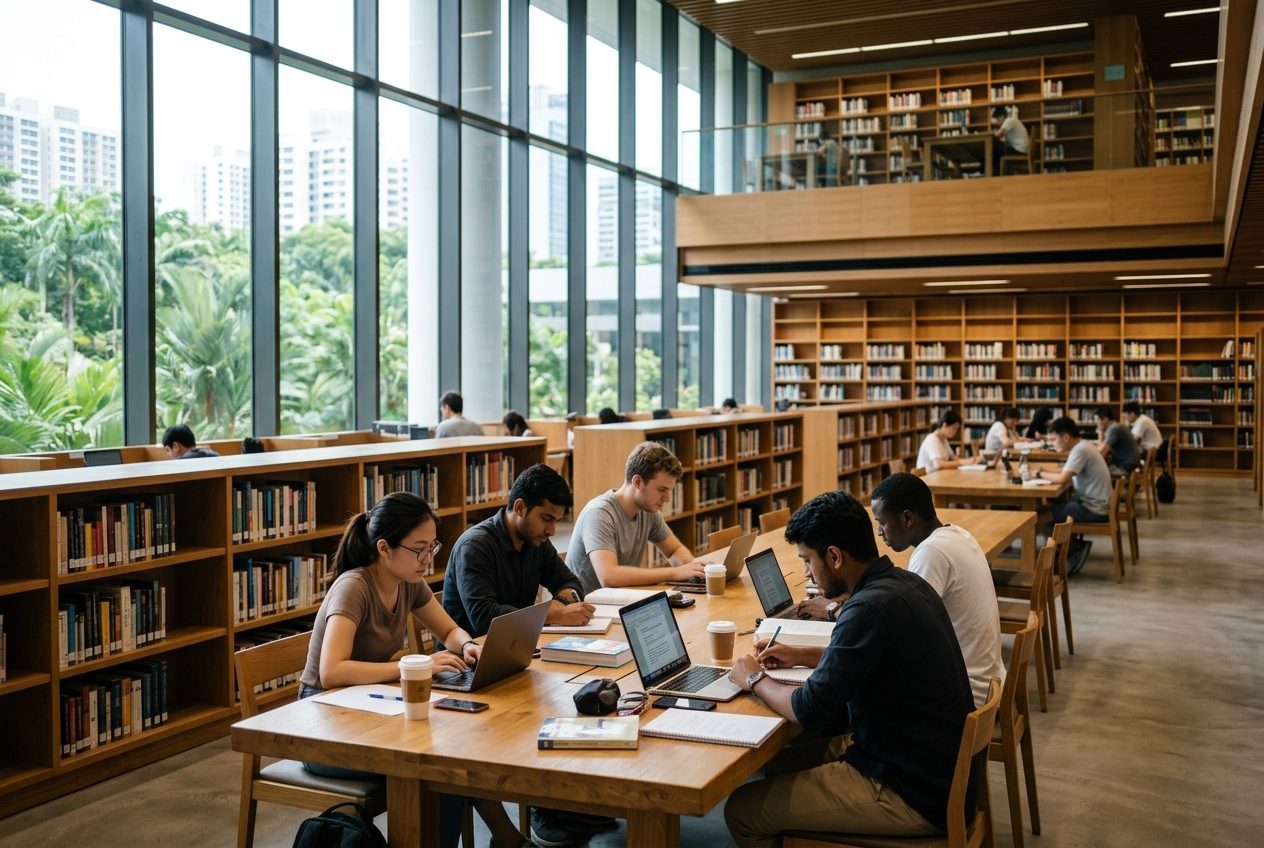
Queueing is sacred in Singapore. Cutting in line is a major social faux pas. It is not just about order; it is about fairness. If you see a queue, join the back. Do not hover near the front while looking at your phone. This is a do's and don'ts list item that is easy to break accidentally. Also, be quiet on public transport. Phone calls should be brief and low-volume. If you need a long chat, step outside or move to a quieter area. These small acts of consideration show that you respect the shared environment. They help you blend in and avoid being noticed for the wrong reasons.
Dining Etiquette and Food Waste
Food is central to Singaporean culture, but so is respect for it. Do not waste food. It is seen as a sign of poor upbringing. Order what you can eat. If you cannot finish, ask for a box to take home. Also, be mindful of how you eat. Do not stick chopsticks upright in a bowl of rice; this resembles funeral rituals. Pass dishes with both hands when possible. When eating soup, do not slurp loudly. These are subtle cultural etiquette points that show respect. If you are dining with locals, let them lead on where to sit and what to order. It is a gesture of deference that is appreciated.
Practical Checklist for Your First Week
- Carry a small towel or napkin for sweat, as the humidity is high.
- Learn to say "thank you" and "sorry" in Mandarin, Malay, or Tamil if you can; it goes a long way.
- Avoid pointing with your index finger; use your thumb or open hand.
- Remove your shoes if invited into a home, unless told otherwise.
- Do not litter, even a small piece of paper. Fines are strict, but respect is key.
- Keep your phone on silent in libraries, exam halls, and during performances.
- Respect queue discipline in all public places, from MRT stations to supermarkets.
- Be punctual. Being late is seen as disrespectful in both social and professional settings.
Frequently Asked Questions
Is it really that bad to chew gum in public?
It is a fineable offense, but the social impact is immediate. Locals associate it with mess and disrespect for public cleanliness. Stick to private areas to avoid awkward conversations or fines.
How loud can I be in my HDB flat at night?
Keep it quiet after 10 PM. Use slippers, avoid loud music, and be mindful of footsteps. Your neighbors will appreciate the consideration, and it helps you build a good reputation in the building.
Do I need to dress formally every day?
No. Singaporeans dress smartly but casually. For students, clean, neat clothing is sufficient. Avoid overly revealing clothes or dirty sneakers in professional or formal settings, but you do not need a suit and tie for casual outings.
We know that adjusting to a new culture takes time. At Sing Stay & Care, we have supported international students since 2015, and we understand these small hurdles. We provide safe, fully furnished rooms that respect these social norms, helping you feel at home quickly. If you are ready to start your journey, browse our rooms to find a space that fits your lifestyle. For any questions or to arrange your airport pickup, leave us a message. Our team is available 24/7 to ensure you feel cared for from the moment you land.
Explore more student life guides on our blog.
Latest articles
Comments
Questions or tips of your own? Join the conversation.
No comments yet — be the first to share your thoughts.